
Alpine Slowcraft: Coffee, Sound, and Design



High-Altitude Roots and the Unhurried Way
Mountain Mornings, Clear Light
At dawn the valley air tastes brisk, and steam from a kettle drifts with the same measured lift as mist leaving fir tops. Grinding beans becomes a steady breath, a metronome for waking hands. Even the smallest clink of a ceramic cup sounds brighter, as if the cliffs lean closer to listen. Morning light, crystalline and pale, draws grain patterns from larch boards and steadies the mind, so the first pour blooms with gratitude rather than hurry.
Hands, Tools, and Weathered Patience
Well-used planes, kettles, and tampers inherit the mountain’s patience through touch. Handles polish under years of work, burrs are dialed by ear, and joinery closes with a contented hush. There is nothing performative here—only incremental familiarity building trust. The craftsperson learns to read moisture in timber, hear freshness in a crackling roast, and feel a groove that signals alignment. Such knowledge arrives slowly, yet it anchors choices so firmly that every small adjustment carries lasting consequence.
Rituals That Bind Neighbors
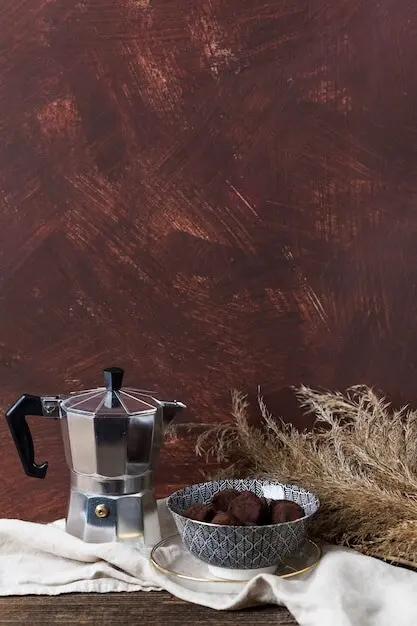
In small alpine towns, rituals are the social glue: a shared moka on a balcony, a listening circle where field recordings replace talk, an evening bench repaired before the first snowfall. Stories ride steam and settle into wood fibers, reminding everyone that care is a public act. Visitors bring beans, locals pour spring water, and someone hums an old melody that matches the kettle’s pulse. These simple rhythms become collective memory, renewing bonds through repeated, welcoming gestures.
Coffee Shaped by Elevation



Quiet Audio, Resonant Materials
Furniture That Listens Back
Field Recordings Along the Ridge
Design that Endures the Weather
Joinery Before Glue
Felt, Larch, and Brass in Dialogue
Repair, Not Replace
A Day in the Workshop and Roastery

Community, Sustainability, and Participation
All Rights Reserved.