Brewing Above the Clouds: Rhythm in Every Pour
Today we explore The Ritual of Pour-Over: Timing, Tempo, and Sonic Cues for Alpine Brewing, unlocking how altitude reshapes extraction and why careful listening becomes your most reliable tool when fingers are cold and timers hide in puffy jackets. Expect practical timing frameworks, sound-based indicators anyone can learn, and field-tested adjustments for mountain water and wind. Grab your kettle, breathe the crisp air, and follow a cadence that turns thin-oxygen mornings into resonant, honey-sweet cups worth the climb.

Altitude, Water, and Extraction

High elevation reduces boiling temperature, accelerates degassing, and shortens thermal contact just when you need it most. Understanding these shifts lets you choose ratios, grind, and pour patterns that maintain sweetness and clarity, even when snow reflects glare and gusts steal precious heat from kettle to cup.

Boiling Point Realities

At 2,000 meters, water boils around 93°C, meaning your slurry begins cooler and keeps cooling faster than at sea level. Compensate with slightly finer grind, decisive pulses, and an insulated kettle lid. Watch drawdown: if it races, tighten grind a notch and lengthen your final pour.

Minerality and Mouthfeel

Mountain meltwater often tastes pristine yet lacks buffering minerals that support sweetness and tactile depth. Aim for moderate hardness by remineralizing with balanced packets or concentrate. In cold conditions, consistent alkalinity steadies extraction, preventing sour peaks and chalky hollows that thin air can amplify.

Bloom Sighs and Purrs
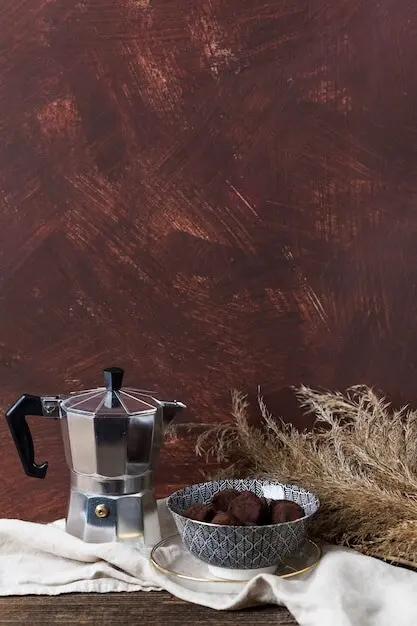
Fresh coffee at altitude exhales quickly, then steadies. Listen for a soft, sustained purr after the first thirty seconds; it signals gas has escaped enough to accept your main pour. If you hear sputtering pops, wait a breath longer before advancing cadence.

Patter on Paper

The distance from spout to bed grows on rocky terrain, and wind snatches drips aside. Train your ear to recognize consistent patter against filter walls versus disruptive splashes on the rim. A graceful, sand-like hush indicates centered flow and minimal agitation in fragile, foamy blooms.

Silence as Signal

An even bed falls to a poised quiet before the last gurgle. If silence arrives too early, channels have raced and under-extraction looms. Stir gently with a bamboo stick or adjust your next pulse smaller, extending contact without battering delicate fines into mud.

Bloom Timing

Cold air slows hot water, but fresh grounds still need room to breathe. Saturate evenly, then wait until bubbling subsides and the dome relaxes. Thirty-five to forty seconds usually balances gas release and heat retention, setting a confident stage for your main act.

Pulse Strategy

In gusty conditions, prefer compact, assertive pulses over languid strings. Pour to raise the bed slightly, pause to let it settle, then resume with narrower circles that corral fines. This alternation maintains heat and prevents sluicing that strips sweetness while boosting bitterness.

Stalling Recovery

If the bed stalls mid-brew, do not panic or over-stir. Lift the filter cone a centimeter, venting vacuum, then set it back with care. Resume with smaller pulses, aiming center-first to reestablish vertical flow. Record timing; adapt grind or dose on the next ascent.

Heat Management in Thin Air

Reliable Heat Sources

Canister stoves struggle in deep cold; invert the can or choose liquid fuel for steady output. Shield flames with a screen that allows exhaust. Simmer control matters more than brute force, because a predictable stream from the spout depends on gently rolling, not raging, boils.

Scales, Timers, and Gloves

Batteries tire quickly in frost, so keep electronics near your body until showtime. Many mountaineers count cadence aloud or use a metronome app in a pocket. Low-profile buttons, textured grips, and lanyards prevent fumbles, while bright displays cut through dawn alpenglow and steam.

Filters and Clean Water

Seal filters in a moisture-proof pouch; damp paper collapses structure and bleeds papery notes. If meltwater is your source, filter and boil thoroughly, then remineralize for balance. Clear, lively water paired with steady tempo allows light-roast nuance to ring like a bell.

Field Kit for the Summit Cup

Gear should disappear into muscle memory, freeing attention for timing and sound. A compact gooseneck, stable stove, reliable ignition, and windscreen form a trustworthy core. Add a snug scale, timer redundancy, dry-bagged filters, and mineral packets, then stash everything accessible despite gloves.

Stories, Lessons, and Community

On a windswept hut porch, every sound told the process better than any screen. That morning taught us to listen harder, count slower, and shield heat more deliberately. Share your recordings, tasting notes, and adjustments; subscribe for field guides, and let future brews sing brighter.

A Dawn Above Treeline

We brewed with a thin metal cone as the first sun painted granite. The kettle hissed, the bloom sighed, and a raven’s call marked our pause between pulses. The cup tasted like wildflower honey over stone, proof that patience defeats hurry at altitude.

From Failure to Flow

Another climb ended with a bitter, racing drawdown that silenced the bed early. We logged the sound, tightened grind one click, and trimmed the second pulse. Next morning, the gurgle lingered, and sweetness returned, reminding us that attentive ears transform setbacks into notes.

Join the Chorus

Record a short clip of your kettle, bloom, and final gurgle on your next hike, then share it with a tasting description and recipe. We’ll compare cadences, celebrate successes, and troubleshoot stalls together. Subscribe for new guides, gear tests, and community brew-alongs throughout the seasons.
Daxisavilivoteliveltokento
Privacy Overview

This website uses cookies so that we can provide you with the best user experience possible. Cookie information is stored in your browser and performs functions such as recognising you when you return to our website and helping our team to understand which sections of the website you find most interesting and useful.