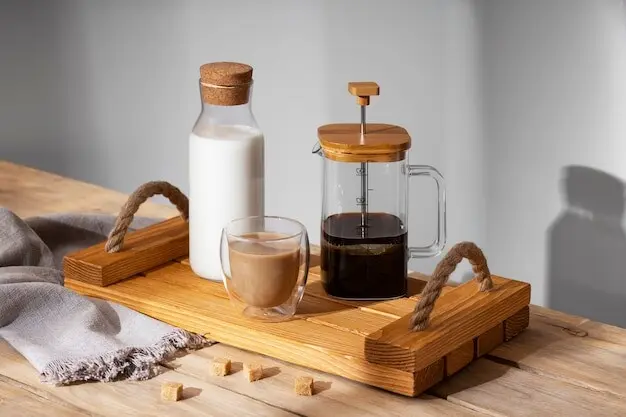
Silence, Snow, and the Perfect Sip

Step into a world where designing quiet cafés meets acoustic craft for deep coffee tasting in the Alps. We explore how thoughtful materials, measured stillness, and alpine sensibilities reveal hidden notes in every cup, guiding architects, baristas, and travelers toward richer, calmer coffee experiences.

How Quiet Changes Flavor

Quiet doesn’t subtract excitement; it subtracts distraction. When background clatter drops, sensory bandwidth opens, and delicate aromatics rise from the cup with greater integrity. In alpine cafés, a carefully tuned hush lets drinkers notice clarity, finish, and mouthfeel that would otherwise dissolve into the room’s noise.

Spruce, Larch, and Gentle Diffusion

Rough-sawn alpine timbers scatter mids and highs, preventing harsh flutter echoes without making the space feel dull. Boards mounted at varying depths create natural micro-diffusers that keep conversation intelligible while steering reflections away from tasting tables, helping espresso crema scents drift undisturbed across quiet wooden grain.

Wool Felt: The Soft Architect

Locally milled wool felt panels and draped textiles tame slapback around the bar, sink alcoves, and windows. High-density wool absorbs generously, yet reads as hospitality, not hardware. It encourages longer, more mindful tastings, and its tactile warmth mirrors the comforting roundness of well-extracted caramelized sugars.

Layouts That Keep the Hush

Great quiet is choreographed. Entrances catch boot noise before it spills, machines sit in insulated nooks, and seating islands break reverberant lines. Thoughtful pathways keep queues from crossing tasting areas, while staff choreography reduces sudden clatter—turning movement into a respectful backdrop for focused sipping and conversation.

Engineering Numbers That Matter

Silence you can feel is silence you can measure. Establish targets for reverberation, background levels, speech clarity, and mechanical noise. Then tune with absorbers, diffusers, and isolation pads, checking results with simple tools. Data guards the tasting experience, ensuring consistency when the weather, crowds, and seasons shift.

Brew Science in Thin Alpine Air

{{SECTION_SUBTITLE}}

Boiling Point, Temperature, and Extraction

At 1,500–2,000 meters, water may boil near 93–95°C. Use precise kettles, slightly finer grinds, or extended contact times to maintain balance. Consistent thermal profiles help high-altitude brews show layered acidity and syrupy bodies rather than thinning, especially when the room’s calm grants flavors time to unfold.

Espresso Profiles Without the Roar

Pressure profiling can be expressive yet quiet. Favor smooth ramps, well-insulated machine panels, and sound-damped tamping stations. Calibrate shot times to compensate for cooler ambient conditions near windows. Guests notice almond sweetness and stone-fruit glow more readily when pumps speak in a hush rather than a shout.

Rituals, Story, and Gentle Community

Quiet cafés thrive on thoughtful human moments. Printed tasting cards, softly narrated flights, and unhurried seating encourage discovery. Share the story of local mills, roasters, and carpenters. Invite guests to linger, compare notes, and subscribe for seasonal cuppings that celebrate new harvests and evolving acoustic refinements.

Designing a Mindful Tasting Flight

Offer three cups with escalating aromatic complexity, served with concise scent prompts and minute-long silent intervals. Encourage nose-first engagement, then a slow sip and a reflective pause. The shared quiet builds trust, letting guests articulate delicate impressions they might otherwise dismiss or forget before naming.

Guides, Anecdotes, and Mountain Lore

A barista shares how snowfall once softened the room so completely that a bergamot sparkle emerged in a Kenyan pour-over for the first time. These lived moments connect craft and place, making every explanation feel like a fireside tale rather than a technical lecture delivered at distance.
Daxisavilivoteliveltokento
Privacy Overview

This website uses cookies so that we can provide you with the best user experience possible. Cookie information is stored in your browser and performs functions such as recognising you when you return to our website and helping our team to understand which sections of the website you find most interesting and useful.